Voices of Nature 2026: Organizers and Lecturers
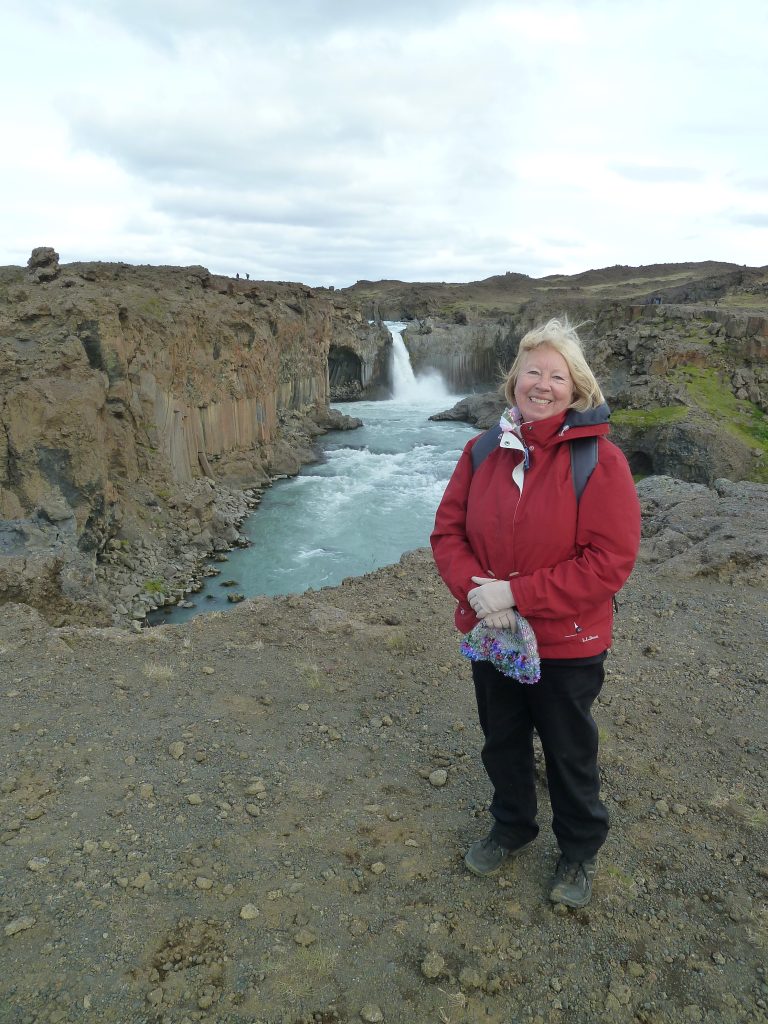
Astrid Ogilvie is a climate historian and human ecologist with a focus on both the broader issues of climatic change and current Arctic issues. Her grantmanship includes leadership (PI) of several interdisciplinary international research projects funded by the National Science Foundation of the USA. Also, several awards from the Research Council of Iceland – RANNÍS, and two NordForsk Centre of Excellence awards. One of these, Arctic Climate Predictions: Pathways to Resilient Sustainable Societies (ARCPATH) is described in Ogilvie et al., 2024. A newly awarded project (NSF, 2025) focuses on environmental change and human health in Greenland. During 2024-2025 her main focus has been on a project entitled The Nordic Little Ice Age (1300-1900): Lessons from Past Climate Change (NORLIA). This is funded by the Centre for Advanced Study under the auspices of the Norwegian Academy of Science and Letters in Oslo, Norway and, among other products, has resulted in an edited volume Nordic Climate Histories: Impacts, Pathways, Narratives which is available on open access. She is the author of some 100 scientific papers and three edited books. She is also interested in the creation of weather by magical means, in particular as described in the Sagas of Icelanders, and this will be the topic of her presentation for the 2026 Svartárkot course. Astrid Ogilvie is a Research Professor at the Institute of Arctic and Alpine Research (INSTAAR) at the University of Colorado, a Visiting Senior Associate Scientist at the Stefansson Arctic Institute in Akureyri, Iceland, and a Visiting Professor at the University of the Highlands and Islands, Orkney, Scotland.
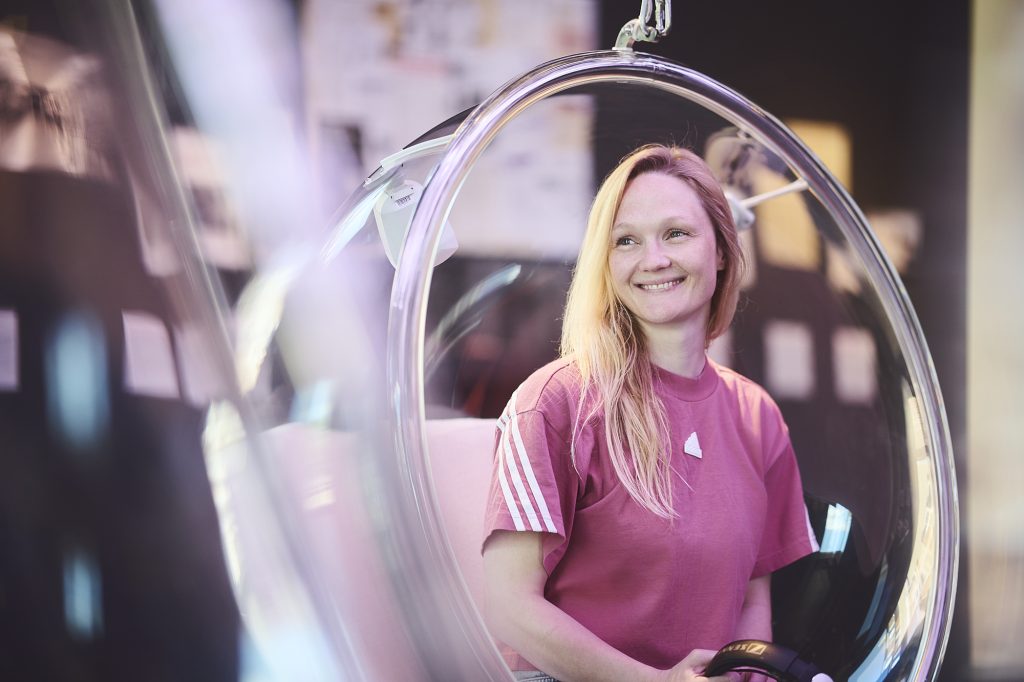
Auður Viðarsdóttir is in the final stages of her PhD in ethnology/folkloristics at the University of Iceland. Her doctoral research focuses on achieving more sustainable and healthier diets in Iceland within a transdisciplinary context, as part of the Sustainable Healthy Diets project. Utilizing qualitative methods such as interviews and participant observation, her work examines people’s everyday experiences in relation to dietary transformations. Additionally, she has participated in the international project WeAreOne: Synergies for Public Health in the Anthropocene from a One Health perspective. These collaborations have expanded her exploration of human-nature relationships, also drawing on her background as a musician and feminist activist within arts and community building. Auður has extensive experience facilitating electronic music workshops for children, youth, and adults, recently linking these workshops to themes of human perceptions of nature. This will be the focus of her hands-on creative session during the Voices of Nature course, in collaboration with composer Konstantine Vlasis. Auður has been involved with the Svartárkot Culture-Nature project for over three years and will be coordinating the course.
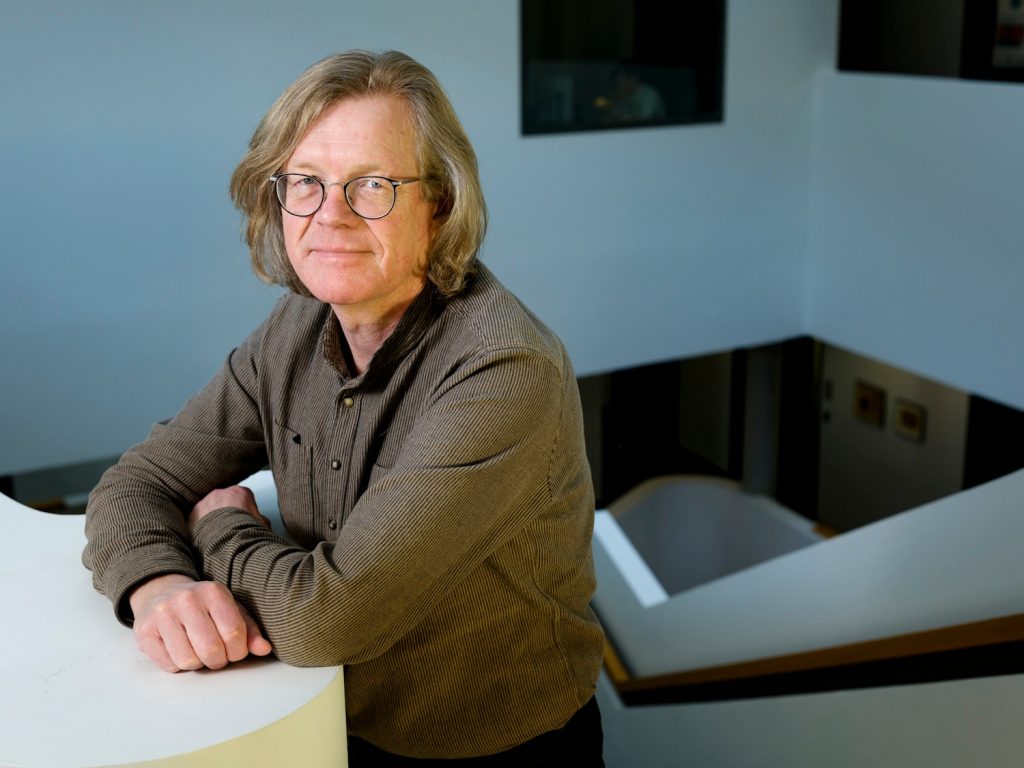
Árni Daníel Júlíusson is a historian and a musician. He received a BA degree in history from the University of Iceland in 1987. From 1989-1993 he was an editor and content auhtor of Íslenskur söguatlas (3. vols., the Icelandic Historical Atlas). He received his PhD from the University of Copenhagen in 1997. His PhD was called Bønder i pestens tid, landbrug, godsdrift og social konflikt i senmiddelalderens islandske bondesamfund (Peasants in the time of the plague, agriculture, estate management and social conflict in late medieval Icelandic peasant society). In 1997 he was also one of the scholars that started the ReykjavíkAcademy, where the Svartárkot project was hatched. In 2005-2013 he was editor of the four volume Landbúnaðarsaga Íslands (the Agricultural History of Iceland) and author of two of the volumes. Árni Daníel was a part of the Mychange reasearch group that received funding in 2014 from NSF and 2015 from Rannís (Icelandic Research Fund) for research in environmental studies regarding the interaction between society and nature in the Mývatn area 1700-1900. The Two Valleys project started in 2018 with archaeological research in Svarfaðardalur. In 2021 this project, doing research on the development of class and environment in Svarfaðardalur and Hörgárdalur received a grant of excellence from Rannís. Árni Daníel has taught extensively at Svartárkot and the University of Iceland. His music with the punk groups Taugadeildin and Q4U is accessible on the internet.
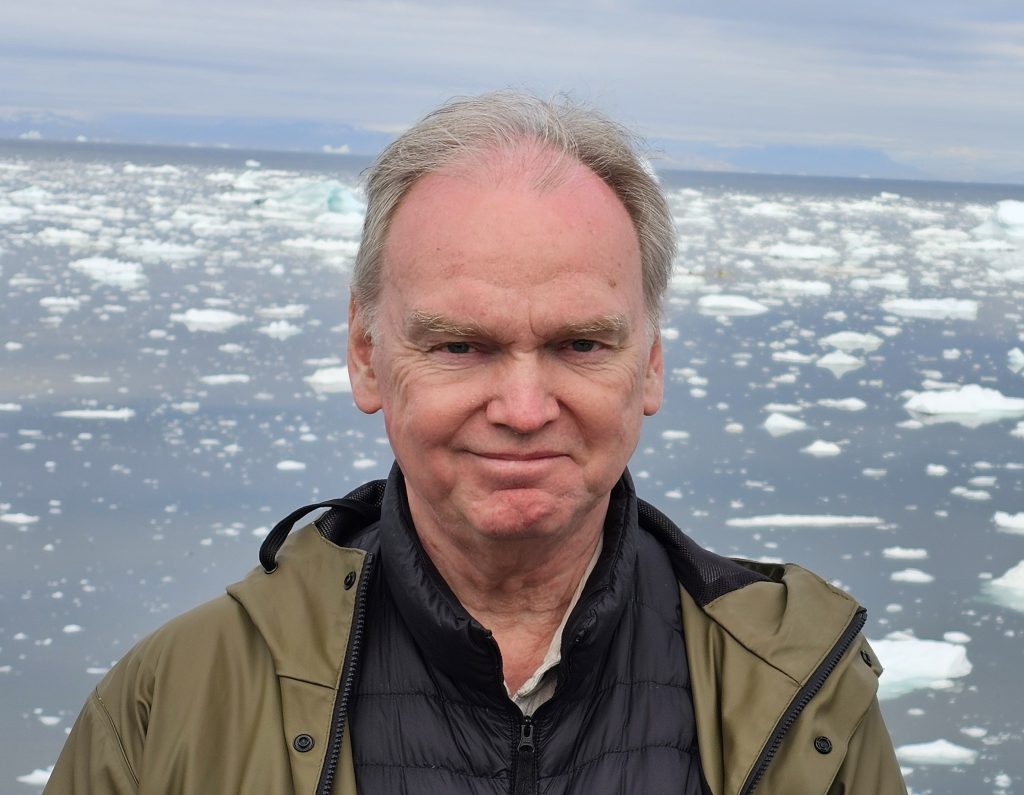
Bergur Thorgeirsson (b. 1958) is a literary scholar and medievalist. He studied Comparative Literature at the University of Iceland, completing an MA degree in Icelandic literature there in 1994. He is currently preparing for doctoral examinations in Old Icelandic literature at the Department of Comparative Literature at the University of Gothenburg, Sweden.
He is the director of Snorrastofa, a cultural and medieval research centre in West Iceland dedicated to the medieval writer, poet, and chieftain Snorri Sturluson. He has taken part in numerous research projects at Snorrastofa and now serves as chairman of the project Pre-Christian Religions of the North. He also supervised the national project Medieval Icelandic Literacy, initiated by Snorrastofa and funded by the Government of Iceland. In addition, he is the editor of Snorrastofa’s book series, which has published more than twenty volumes since 2000.
Over the years, he has served on various boards and committees, including the municipal council of the Borgarfjörður District. He has also been chairman of the Icelandic Place Names Committee.
His field of research is Old Icelandic literature, with particular emphasis on the fornaldarsögur (legendary sagas), Eddic poetry, and the Sagas of Icelanders. He has also studied the reception of Old Icelandic literature, including the works of the Icelandic writer Benedikt Gröndal, Norwegian immigrants in the United States, and the writings of Henry David Thoreau and Thomas Carlyle.
At the core of his research lie the figure of the loner, the motif of the journey, and the tensions between differing cultural and ideological worlds.
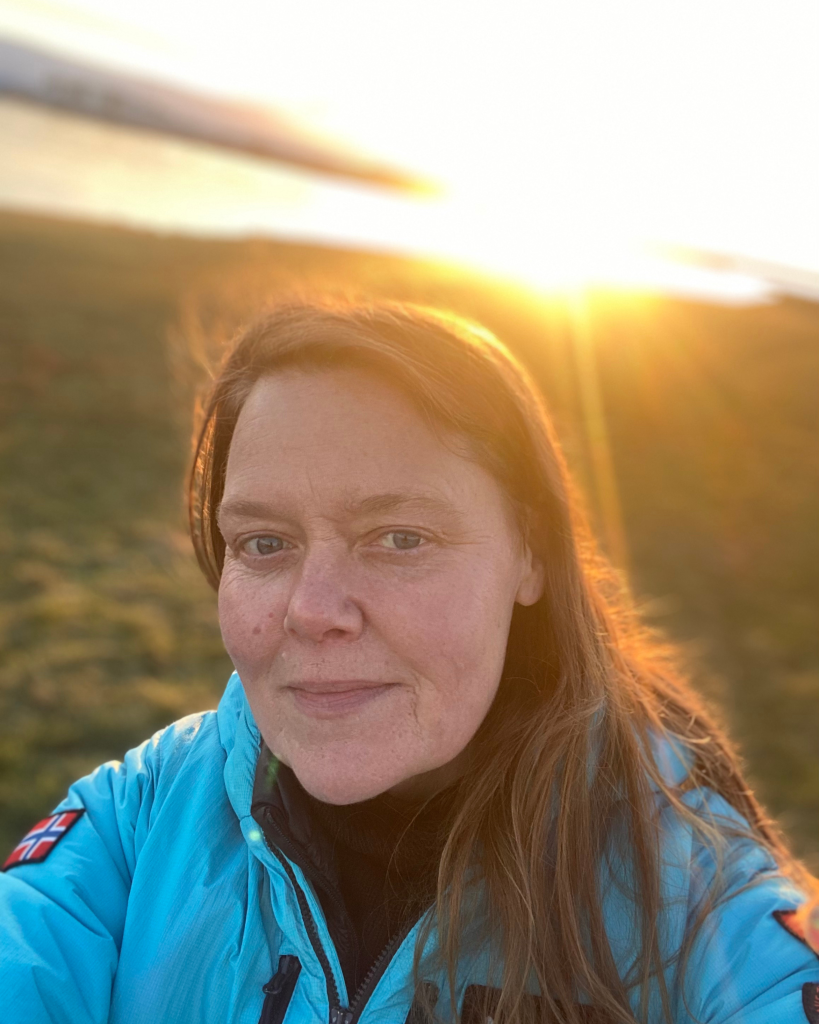
Björk Bjarnadóttir is an Environmental-Ethnologist and a storyteller whose work explores the deep relationship between people, plants, landscapes and lived traditions. Drawing on ethnographic research and narrative craft, Björk weaves stories that give voice to ecological knowledge, cultural memory and place based ways of knowing. Through both academic inquiry and storytelling, she seeks to illuminate how human experience, environment and imagination shape one another.
Björk has a B.A degree in Ethnology from The University of Iceland (2000) and a Master degree in Environmental Science (2005) from the same University. A part of her study in Environmental Science she took from The University of Manitoba, Canada (2003). That is where she made connections with the First Nation people of Hollow Water First Nation in Manitoba, Canada. The year 2005-2010, Björk lived and studied in Hollow Water, Canada, where she was documenting sacred knowledge of the Ojibway people from the Traditonal Teacher and the Ojibway, Garry„Morning Star“ Raven.
Björk has published two books, the first one is a collection of stories of Myths and Monsters in Icelandic folktales, it was published the year 2002, illustrated by Guðrún Tryggvadóttir. It was published in three languages: Furðudýr í íslenskum þjóðsögum / Myths and Monsters in Icelandic Folktales/ Fabelwesen aus Isländischen Sagen.
The second book is called: The Seven Teachings And More: Anishinaabeg share their traditional teachings with an Icelander. Illustrated by Gerald Folster. This book is about the basic teachings of the Native people of Canada, The Seven Teachings.
Presentation during course:“They live in rock’s just like yours do“. The hidden people or “huldufólk og álfar“ of Iceland and the „Memegwesi“ of the Ojibway people, or the little people. Björk heard many stories about the „Memegwesi“ from the Ojibway tribe of First Nation people in Canada and was amazed about the similiarity of their: appearances, dwelling places and character to the „huldufólk and álfar“ of Iceland. In this lecture we will hear few stories and take a look in the hidden world of these rock dwellers and protectors of nature.
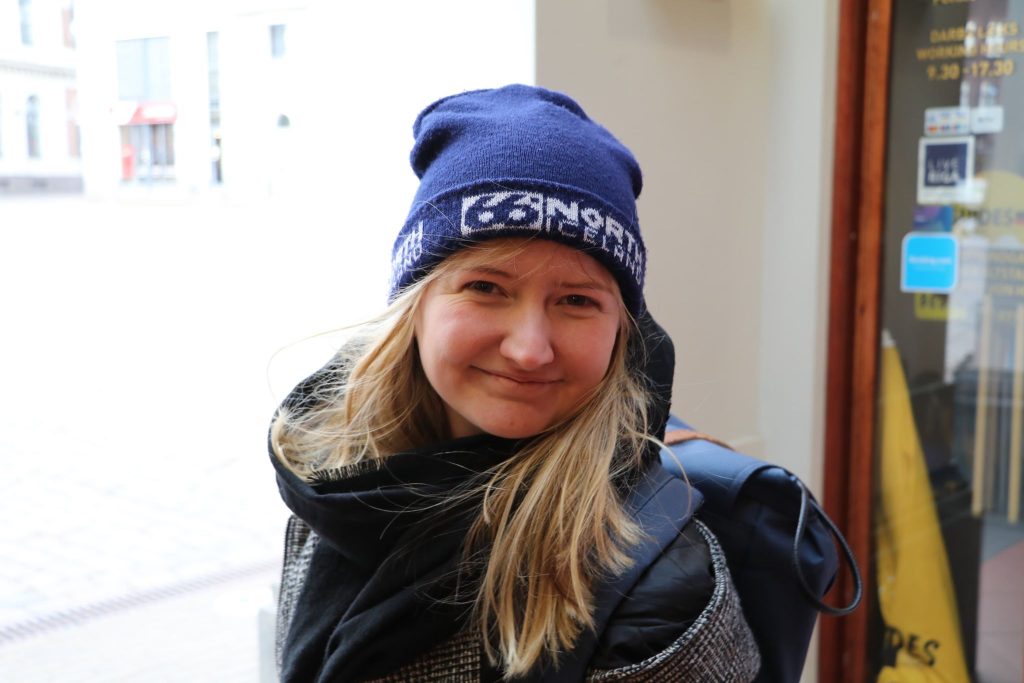
Dagrún Ósk Jónsdóttir is a PhD in folkloristics and currently teaches at the University of Iceland. Her main research focus has been on folk legends, femininity and gendered power relations. She is also interested in how folk legends relate to nature and landscape and has done research on enchanted and cursed places in the rural Strandir area in Iceland. Each summer Dagrún hosts a nature festival for families where people get in touch with nature, through various activities and folklore.
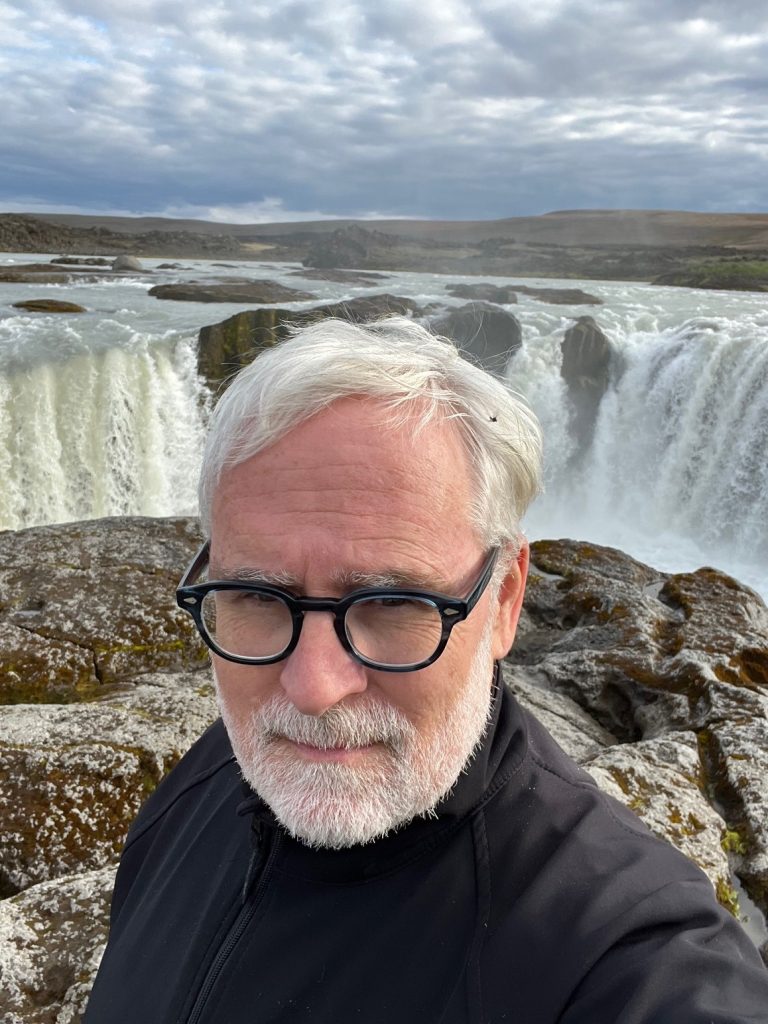
David Winter is a professor of cultural and intellectual history at Brandon University in Manitoba, Canada with an interest in popular religion in Europe during the Medieval and Early Modern eras. His early work focused on preaching materials (auxiliary texts known as “exempla collections”) in the Low Countries and the United Kingdom in the twelfth and thirteenth century. More recently, he has turned his attention to popular constructions of “the demonic,” particularly how premodern people understood the operation of demons in the normal course of nature. He is the author and editor of several works, including Knowing Demons, Knowing Spirits (with Michelle D. Brock and Richard Raiswell; Palgrave, 2017), The Llanthony Stories (PIMS, 2021), The Medieval Devil: A Reader (with Richard Raiswell; Toronto, 2022), and the Routledge History of the Devil in the Western Tradition (with Michelle D. Brock and Richard Raiswell, Routledge; 2025). He is currently preparing a study and English translation of the humanist Icelandic bishop, Oddur Einarsson’s Descriptio qualiscunque Islandiae (A Description of All Manner of Things in Iceland). Together with Viðar Hreinsson, he is also working on a project that focuses on Jón lærði Guðmundsson’s exorcisms of demonic spirits in western Iceland in the 17th century.
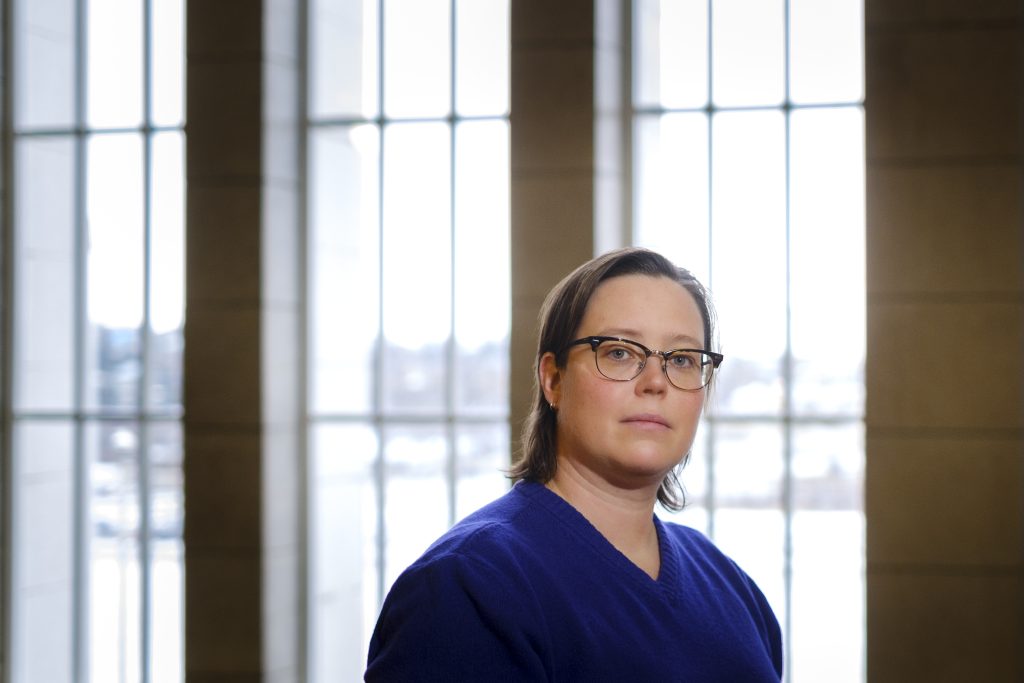
Hafdís Erla Hafsteinsdóttir is a PhD student in History at the University of Iceland. Her primary research focuses on the history of gender and sexuality, with special attention to the possibilities and/or limitations of language in creating, maintaining, and resisting social norms and values.
“Ocean, Ghosts and Queerness”: How spirits of nature reveal what language can’t: In this lecture, we will analyze the tale of Þuríður Foreman, a nineteenth-century sea captain who worked for over half a century as a renowned fisher, an unusual path for working-class women at the time. Þuríður’s legend, its meaning, and its possible interpretations have taken several twists and turns. While it is commonly read as a struggle between Icelandic workers and the Icelandic-Danish ruling elite, and thus viewed through the lens of twentieth-century nationalist movements, another meaning and cultural placement is possible as well, one that has been overlooked, while at the same time being blatantly obvious.
Here, we will explore Þuríður’s tale from a queer perspective, with a special focus on the discursive role of nature and spirits in conveying meaning. Furthermore, we will discuss the ocean and the waterfront as liminal spaces where, often through descriptions of nature, or even the supernatural, social norms can be skewed and deconstructed.

Dr. Ingunn Ásdísardóttir is a literary scholar and folklorist, a director and a translator, and has translated numerous works of fiction as well as various scholarly books on religion and the history of religion. In 2014 she received the Icelandic Translation Prize for her translation of the Faroese novel Ó – sögur um djöfulskap by Carl Jóhan Jensen. In 2007 her book Frigg og Freyja; kvenleg goðmögn í heiðnum sið (Frigg and Freyja; Female Deities in Heathen Practice) was published. It is based on Ingunn’s master’s thesis in Norse religion and for it she received the Fjöruverðlaunin (Women’s Literary Prize). A year later her book Örlög guðanna, Norse Myths Retold by Ingunn and illustrated by Kristín Ragna Gunnarsdóttir, was published and was nominated for the Icelandic Literature Prize. Ingunn also participated in an international research project on heathen practice in the Nordic countries organized by the University of Iceland, the Reykjavík Academy and Snorrastofa in Reykholt. Ingunn completed her PhD in Norse religion in spring 2018, and in 2025 she published Jötnar hundvísir; Norrænar goðsagnir í nýju ljósi (Norse Myths in a New Light), a book developed from her doctoral research. It received the Women’s Literary Prize, a grant from the Jón Sigurðsson Fund, and was nominated for the Hagþenkir Recognition.
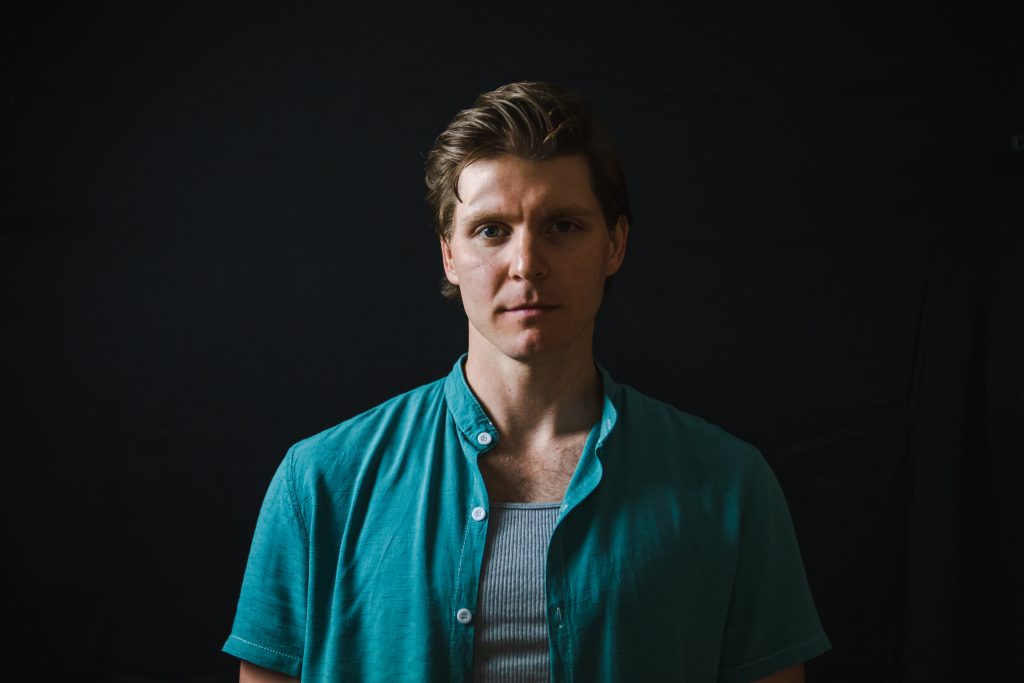
Konstantine Vlasis is an environmental composer and audio-researcher. His work centers on the ways that sound and listening mediate our experiences of changing landscapes, and how music can be a form of climate communication and environmental storytelling. He is currently a PhD Candidate in Music and Sound Studies at New York University, a guest lecturer at LHÍ, and research affiliate of HÍ-Hornafjörður Research Centre.
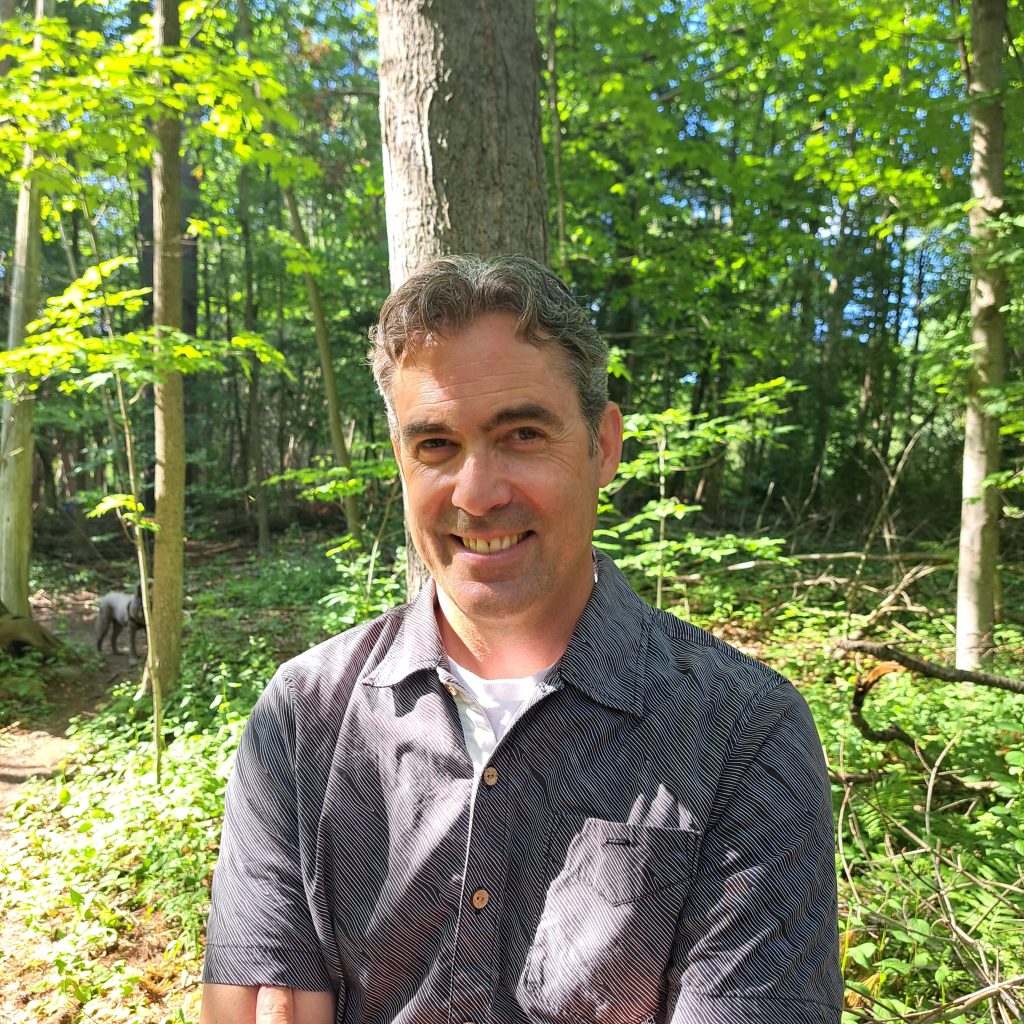
Dr. Mark Dickinson’s classrooms are defined by collaboration, dialogue, experiential learning, and what Trent’s founding President Tom Symons called “the terrible importance of having fun.” Dr. Dickinson teaches a number of courses including “Canada The Land,” “The Changing Land,” and “Magic, Myths and Monsters of Canada.” He also teaches “The Windy Pine Summer Institute,” a one-week exercise in land-based learning held in the Haliburton Highlands every July that offers students a space to disconnect from their phones and reconnect with one another in a rich, real-world, non-digital environment. Dr. Dickinson received the Symons Award for Teaching Excellence in 2014 and the Faculty of Liberal Studies’ Teaching Award from the Ontario College of Art and Design University in 2017. His first three books, including Canadian Primal: Poets, Places and the Music of Meaning (McGill-Queen’s University Press, 2021), identified the emergence of a form of place-based consciousness in a group of contemporary Canadian artist-thinkers. His most recent book, A School For Tomorrow: The Story of Canada World Youth (Cormorant Books, 2025), was called a “must read” by The Globe and Mail newspaper. He has published articles in a variety of academic and nonacademic publications, including Philosophy, Activism and Nature; Interdisciplinary Studies of Literature and Environment; The Walrus; the Times of London; and The Globe and Mail. He has spoken at institutions like the Royal Geographical Society, the Edinburgh Zoological Society, and the Auckland Zoological Society, and in the fall of 2025 participated in the Canadian Ditchley Foundation’s conference on Canada’s place in a changing world. He is currently writing his fifth book, Making Friends with Places, which looks at some of the protocols involved in the creation of healthy, reciprocal relationships with both the seen and unseen forces around us.
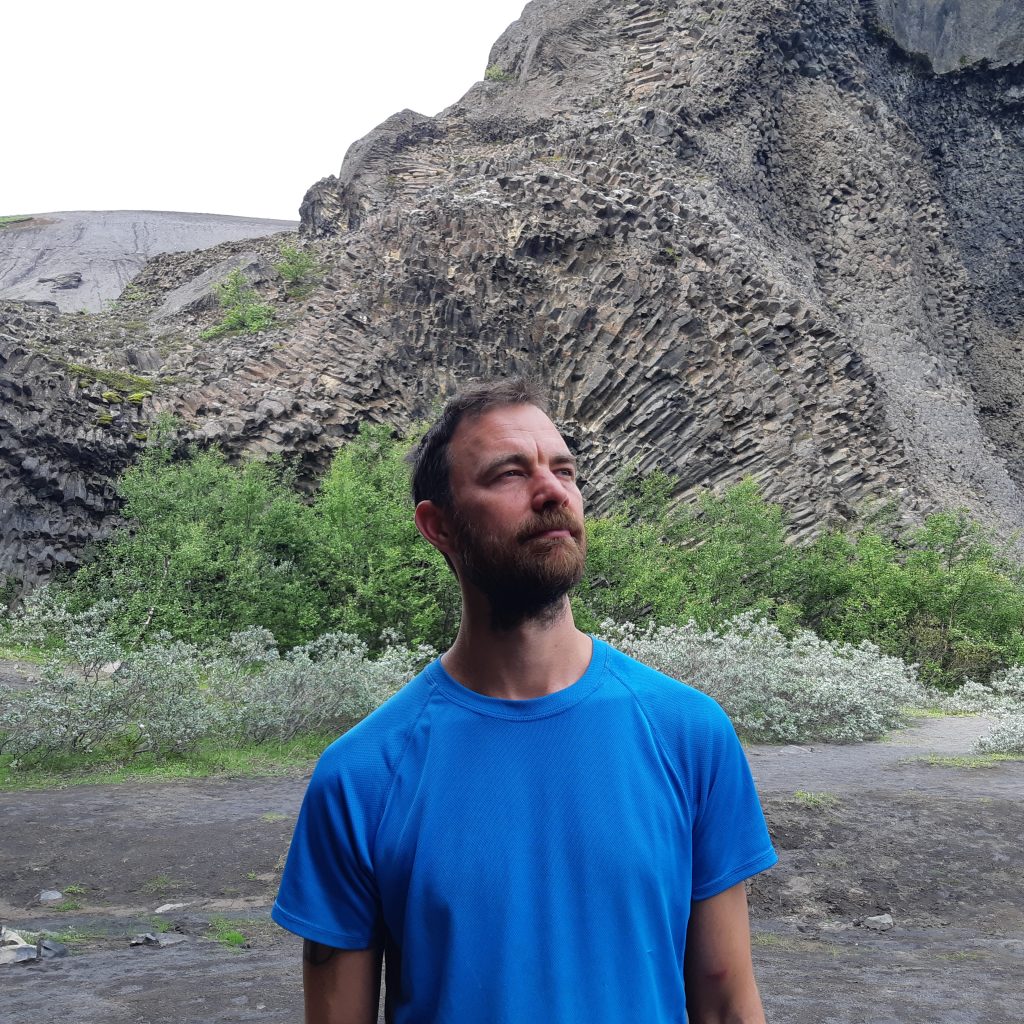
Ole Martin Sandberg is an environmental philosopher at the University of Iceland where he teaches environmental ethics and leads the research network Climate Crisis and Affect. He is also affiliated with the Icelandic collaboration platform for biodiversity, BIODICE, hosted at the Icelandic Museum of Natural History. He generally works on human-nature relations, social transformation, climate and ecology.
He has published works on evolution, ethics and process philosophy, embodied thinking, solidarity, cooperation and mutual aid, psychology and social (mis)communication, culture and collective imagination, and on the interactions between art, science and philosophy.
He is currently working on a book on Icelandic nature from a process-philosophical perspective.

Oddný Eir Ævarsdóttir is a writer, philosopher and director of Skriðuklaustur, a creative heritage center in the east of Iceland.
Völva-songs: Natural elements and extra-natural spaces (on new ways of influencing creative writing and Björk’s Biophilia).
Oddný Eir tells us about her method of teaching creative writing through mixture of old Tibetan and Icelandic Völvu- and Galdra-traditions of composing with natural elements to create a space of extra-natural story-telling, singing and connecting. Focusing on writings at the border of fiction and non-fiction, and the marginalia of academic writings meeting creative poetic literature in a healing process in liminal time. Oddný Eir will tell the story of her teachings in Hallormsstaðaskógur forest and her collaboration with singer Björk and project Biophilia in view of the Völva.
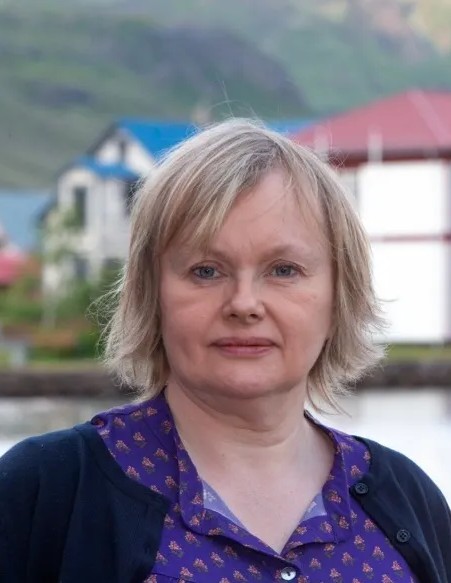
Sigríður Matthíasdóttir, born March 2nd 1965. Historian Ph.D. from the University of Iceland (2004) with the thesis Hinn sanni Íslendingur. Þjóðerni, kyngervi og vald á Íslandi 1900-1930, Háskólaútgáfan 2004 (The True Icelander. Nationalism, gender and power in Iceland 1900-1930). Matthíasdóttir is an independently working historian and has published extensively on gender history, female entrepreneurship, nationalism, university history, single women´s emigration, biography and methodological themes. She has been a Fulbright visiting scholar at University of California, Santa Barbara (UCSB) Sept. 1st-Nov. 30th 2007, visiting scholar at the University of Stockholm, Historical faculty, Sweden Oct 16th -Nov 30th 2017, visiting scholar at HEX. Academy of Finland Centre of Excellence in the History of Experiences, University of Tampere, Finland, Oct. 1st – Nov. 30th 2020 and visiting scholar at Åbo Akademi University, Finland Sept. 25th to Oct. 8 2023.
Matthíasdóttir´s most recent research concerns female entrepreneurship in the late 19th and early 20th century, She has recently published a biography about Icelandic female migrant and entrepreneur Pálína Waage (1864-1935), Entrepreneurship and agency as a lived experience. A transnational biography of Pálína Waage (1864-1935) (Palgrave Macmillan 2024) Entrepreneurship and Agency as Lived Experience: A Transnational Biography of Pálína Waage (1864-1935) | SpringerLink
Her lecture will concern Pálína Waage´s relationship with the folklore collector Sigfús Sigfússon who published a collection of folklore in 1922 in Seydisfjördur where Pálína lived. Sigfús in fact was a tenant in Pálína´s house and she is one of his informants in his folklore collection, especially regarding her great grandfather Eyjólfur Ísfeld who was a famous clairvoyant. Matthíasdóttir´s lecture has the title “Coping with nature through real time visualisation at a distance. Communicating clairvoyance in the Sigfús Sigfússon´s stories of folklore.”
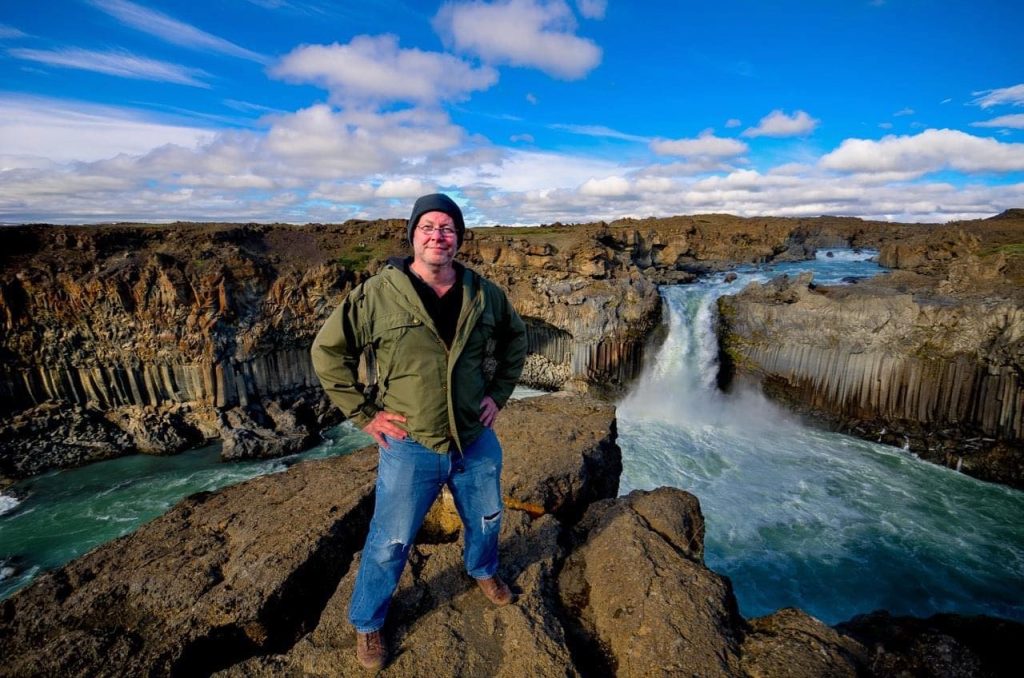
Prof. Dr. Steven Hartman is Founding Executive Director of the BRIDGES Sustainability Science Coalition in UNESCO’s Management of Social Transformations programme. His position is based at Arizona State University’s Julie Ann Wrigley Global Futures Laboratory and University of Wales Trinity Saint David. He is also Visiting Professor in the Faculty of History and Philosophy, University of Iceland. A writer, literary scholar and cultural historian, Hartman has published widely and earned a number of honors for his work. His research and practice foreground the vital role of the humanities in global change research, emphasizing collaboration among humanities scholars, social scientists, environmental scientists, artists, education specialists and civil society in efforts to meet sustainability challenges of the present and foreseeable future, in part by drawing on lessons of the past. He is senior co-editor of the series Global Challenges in Environmental Humanities (Bloomsbury Academic). He also serves on the editorial board of the series Future Humanities (Wiley). He is a fellow of the World Academy of Art and Science and serves on the steering committee of The Earth-Humanity Coalition.
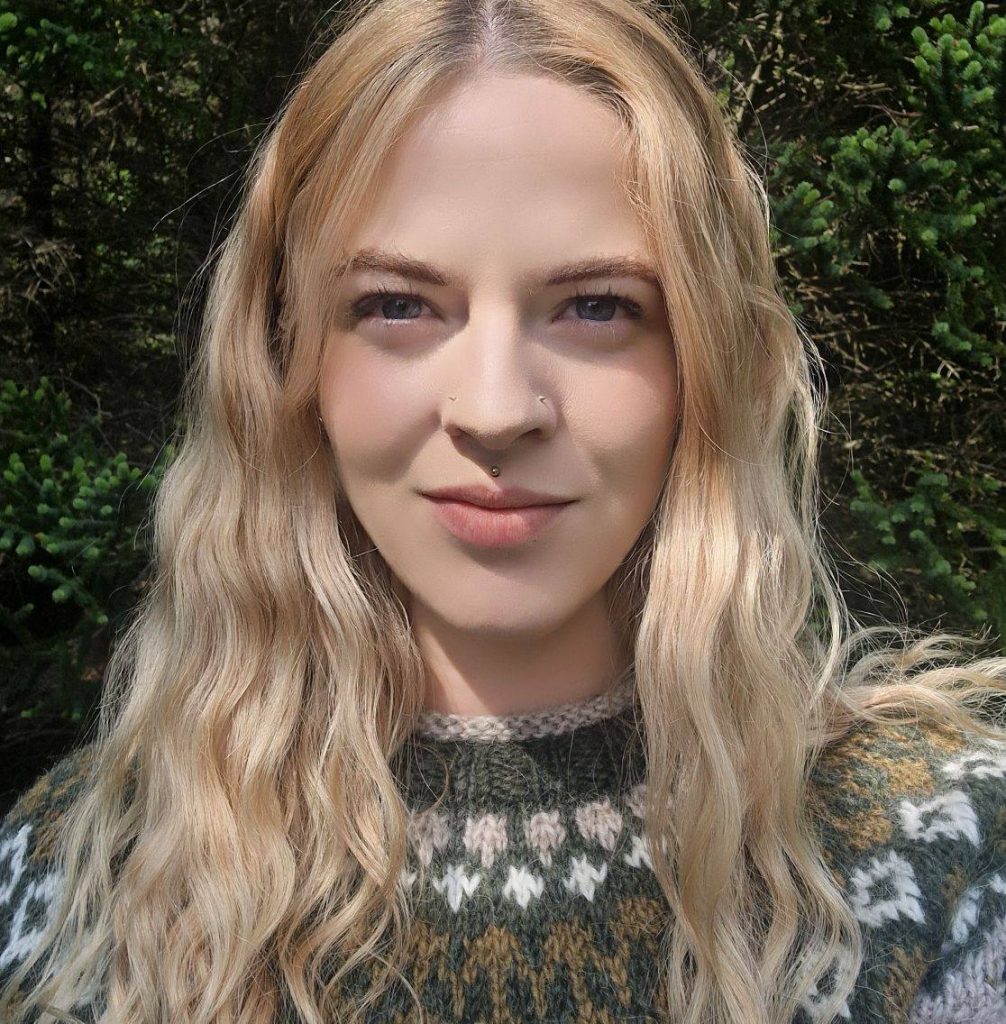
Teresa Dröfn Freysdóttir Njarðvík holds a PhD in Icelandic literature from the University of Iceland, completed in 2025, as well as an M.A. degree in Medieval Studies and B.A. degree in Comparative Literature and Folkloristics from that same University. She is currently a part of the research project Riches to Rags: The Popularization of Rímur Poetry in Post-medieval Iceland at Stofnun Árna Magnússonar í íslenskum fræðum. Her past research and publications have been largely focused on editing unpublished post-medieval sagas and rímur. She is also a long practicing member of ásatrú and is currently the lögsögumaður (lawspeaker) of the Ásatrúarfélagið in Iceland.
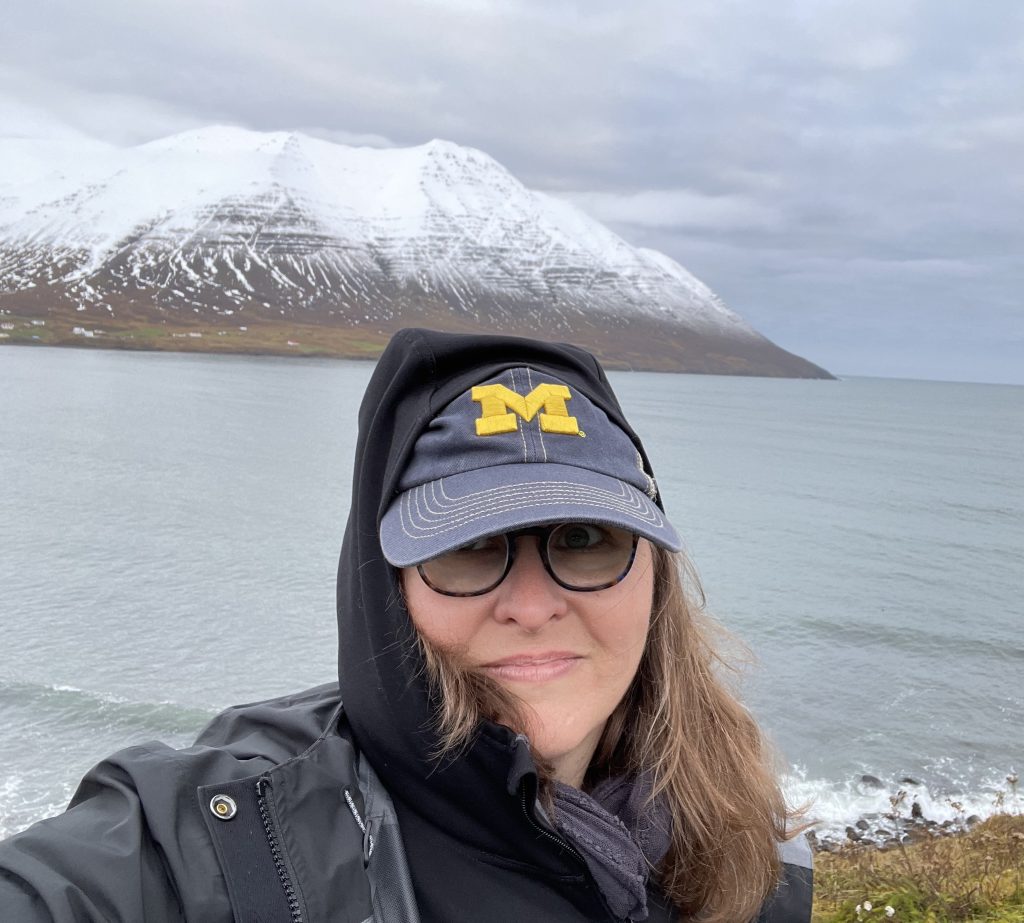
Dr. Vicki Szabo received her PhD in Medieval Studies at Cornell University and currently serves as a Professor of History at Western Carolina University, where she teaches ancient, medieval, and environmental history. Her research focuses on medieval environmental history, the medieval North Atlantic, and the history of whaling, and has been funded by the Fulbright Foundation, the American Association for the Advancement of Science, and the Society of Antiquaries of London. She recently concluded a major international research project funded by the National Science Foundation on medieval Icelandic whale exploitation, using evidence from archaeology, history, and ancient DNA. She is the author of Monstrous Fishes and the Mead Dark Sea (Brill, 2008), several articles and book chapters on medieval environmental history, and is currently working on a textbook on medieval wildlife. Her lecture for the Voices of Nature course, entitled “Monster Fish with Strange Names: Sea Monsters and Beastly Whales in North Atlantic History and Literature,” surveys classical and medieval authors’ observations and analysis of whales from the Mediterranean to the North Atlantic, including the Physiologus, the Bestiary, Adam of Bremen, Isidore of Seville, the King’s Mirror, Olaus Magnus, and Jón lærði Guðmundsson.
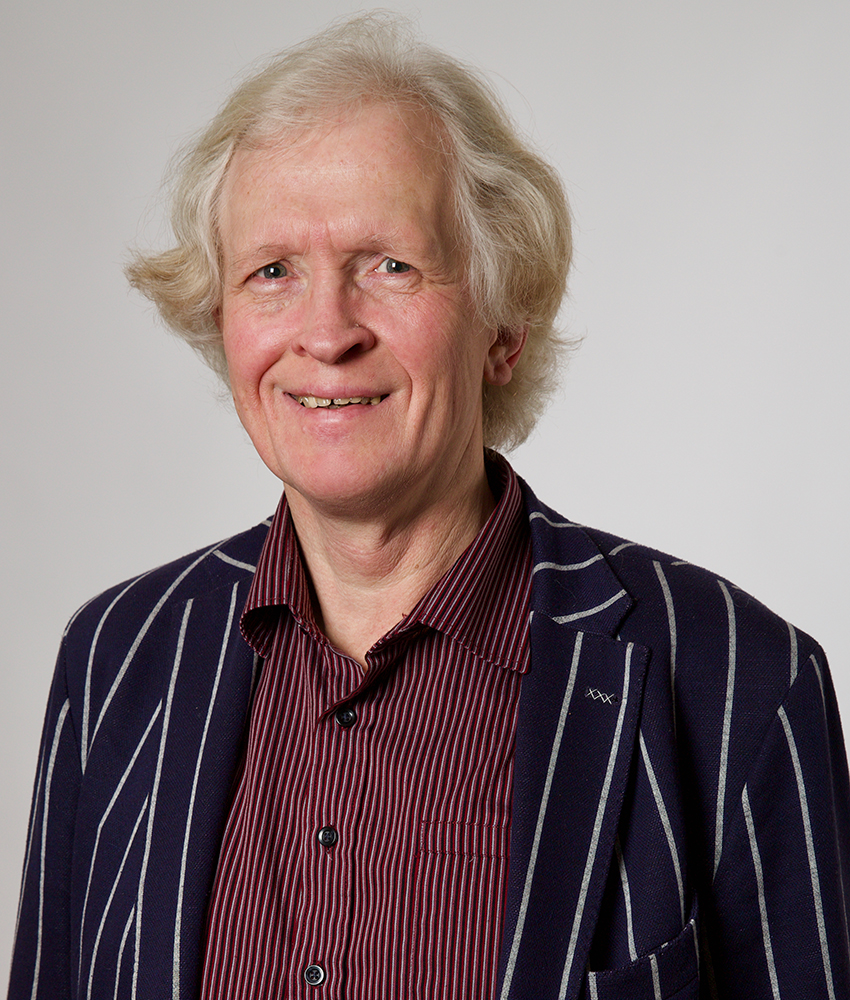
Viðar Hreinsson taught Icelandic at the University of Manitoba 1992-1994 but has been an independent researcher most of his career. At present, he is a researcher at the Icelandic Museum of Natural History, has lectured widely on Icelandic literatures, lately with main emphasis on medieval writings and early modern manuscript culture, combining manuscript culture and environmental humanities. He is the author of dozens of scholarly papers and a number of books. He was the general editor of a highly acclaimed translation of the sagas of
Icelanders, The Complete sagas of Icelanders I-V (1997). Among his books are an award-winning two volume biography of the Icelandic-Canadian immigrant poet Stephan G. Stephansson (1853-1927) (2002-2003, English version 2012) and the award-winning monograph Jón lærði og náttúrur náttúrunnar (720 pp.) on 17 th century conception of nature reflected by the autodidact Jón Guðmundsson the Learned (1574-1658). At present, apart from some smaller research projects, he has completed a manuscript for a book on the conceptions of nature in Icelandic narratives in the period from the Settlement of Iceland until the Reformation in 1550. At present, he is working on a book on conceptions and domination of nature, from early Greek philosophy to modern colonialism.
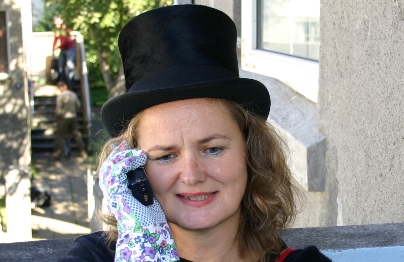
Þórunn Valdimarsdóttir is Born 250854 Reykjavík, studied history at the University in Lund Sweden 1973-74 and art and history in Instituto Allende, San Miguel de Allende Guanajuato Mexico 1977-78. Cand. mag. in history University of Iceland 1983. Has since been engaged in writing. Author of 31 miscellaneous books: Four books of poetry, seven novels. History of Reykjavík (1870-1950); theater history (1900-1950); church history (19th century); historical biography (18th-19th century) and biography. Þórunn has received 15 nominations and 10 awards for her writing.